
Aviation Coatings
Aviation Coatings.
Aerospace-Grade Finishes.
Thin-film ceramic and protective coatings for aircraft components. Corrosion resistance, chemical protection, and precision finishes that stay light and hold close tolerances.
Why Coating Matters in Aviation
Protective Finishes That Add No Unnecessary Weight
Aircraft components face a combination of corrosion, mechanical wear, and exposure to hydraulic fluids, aviation fuels, and de-icing chemicals. Thin-film ceramic coatings address all of it at thicknesses measured in thousandths of an inch, so finished parts stay within drawing tolerances. That precision matters particularly in aerospace applications, where a coating that changes a critical dimension can affect fit or function downstream.
We apply aviation coatings to aluminum, steel, and other alloys used in airframes, engine accessory components, and ground support equipment. Our facility in Redmond, Oregon handles everything from a single prototype part to ongoing production quantities, and every job is quoted individually based on part geometry, substrate, and what the coating needs to resist. For high-volume aerospace work, see our OEM and production capabilities.
See our coating process
Surface Engineering
Corrosion Protection That Starts With the Surface
Aircraft components live in a punishing mix of fuels, hydraulic fluids, de-icing chemicals, and moisture. Thin-film protection only holds when the surface is engineered first, so we inspect, clean, blast to a controlled profile, and mask tolerances before applying and curing.
Central Oregon Aerospace
Coating Work for the Region's Aviation Industry
Redmond and the surrounding Central Oregon corridor is home to a notable cluster of aircraft manufacturers and kit builders. Advanced Coatings has coated components for several of them, and working repeatedly with this industry has given us a practical understanding of the surface protection requirements, chemical exposures, and dimensional sensitivities that aerospace parts demand. We also serve customers well outside the region: parts ship across the US, to Canada, and internationally.



What We Do
Aviation Coating Capabilities
Corrosion Protection
Thin-film ceramic creates a dense barrier against moisture, salt spray, and oxidation on aluminum, steel, and other airframe alloys. Parts that will see long-term outdoor storage or wet-climate operation benefit most from this layer of chemical protection.
High-Temp Finishes
C-Series high-temperature Cerakote coatings are rated for sustained heat, making them appropriate for engine accessory housings, exhaust-adjacent brackets, and other thermally demanding locations. The coating maintains adhesion and appearance under conditions that would degrade standard finishes.
Lightweight Thin-Film
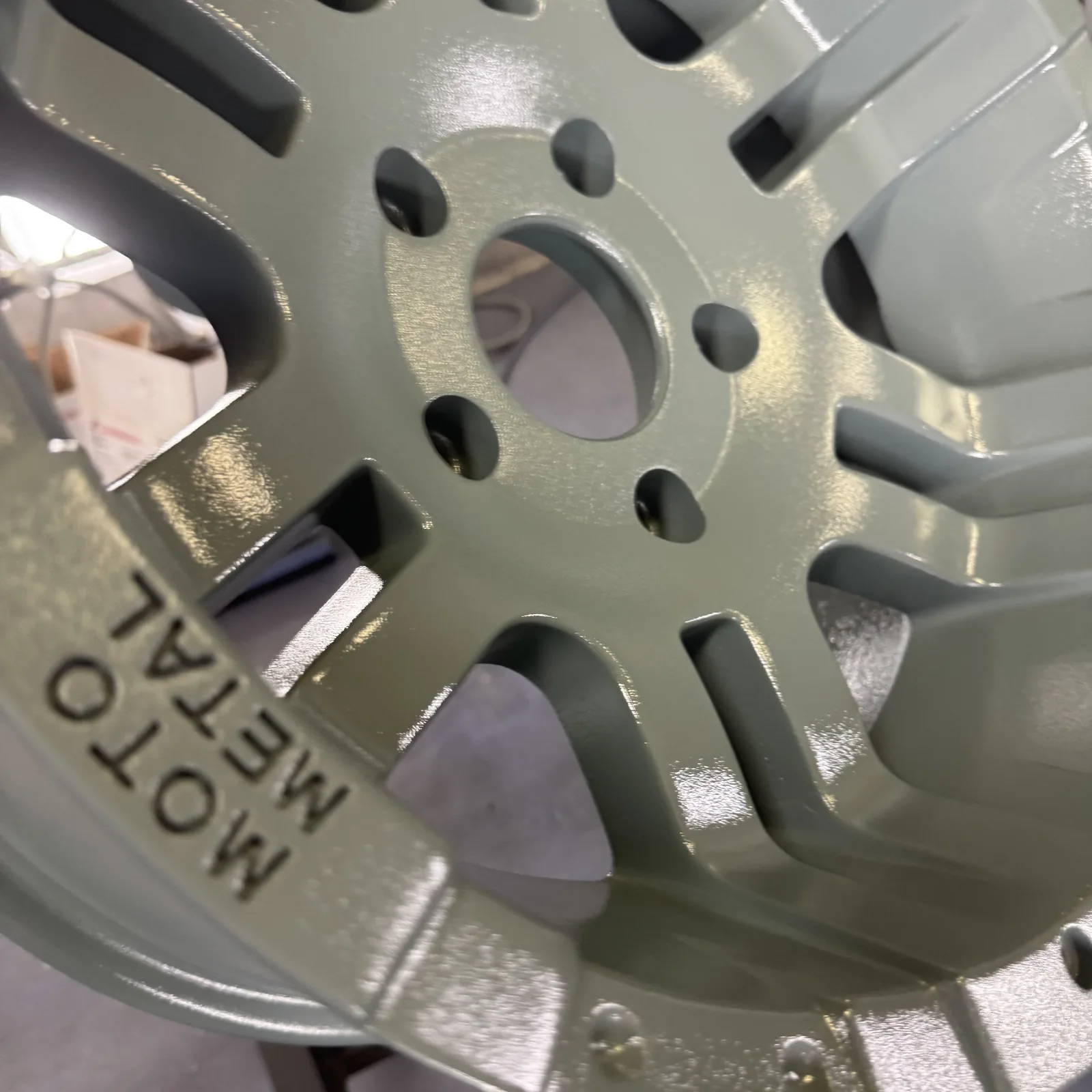
Applied at approximately 1 mil (0.001 inch) thickness, Cerakote adds negligible weight to virtually any aircraft component. The thin film also preserves dimensional tolerances on machined parts, keeping interference fits, thread forms, and mating surfaces within spec.

Precision Components
Valves, actuators, fittings, machined castings, and other close-tolerance parts can be coated without affecting fit or function. Masking is applied where needed to protect critical surfaces, bores, or threads that must remain uncoated.
Chemical Resistance
Built to Handle What Aircraft See Every Day
Aviation coatings need to hold up against hydraulic fluids, aviation fuels, lubricants, and the de-icing chemicals common in Pacific Northwest winters. Cerakote's ceramic and polymer chemistry is resistant to these fluids, which is why it has found adoption in aerospace maintenance environments where standard paints or anodizing fall short. If your application involves an unusual chemical or solvent, tell us the specific fluid and we will confirm the right formulation before we quote.
Parts arrive clean or we handle surface prep in-house. Masking is applied to any critical surfaces that need to remain bare. Parts then run through our prep and coating line and go out with a surface that is both protected and consistent across every piece in a batch. For ongoing production volume, our mil-spec coating capabilities run on the same 24/7 production line and use compatible processes.
Hydraulic Fluids
Aviation Fuels
De-Icing Chemicals
Lubricants & Oils
Corrosive Salt
Mechanical Wear
Common Questions
Aviation Coating Questions
What types of aircraft components can you coat?
Do these coatings add meaningful weight to aircraft parts?
Are the coatings resistant to hydraulic fluids and aviation fuels?
Do you handle one-off prototype parts as well as production runs?
How do I send parts for an aviation coating project?
What surface preparation do you do before coating aircraft parts?
Can you coat parts from outside Oregon or ship finished work back?
Explore More
Our Other Coating Services
Need Coatings for Aircraft Components?
Tell us about the parts and what they need to resist. We quote every aviation project individually and respond within 24 hours.