

Surface Engineering
Surface Engineered.
Precision Finished.
Every durable coating starts before the spray gun. We inspect, clean, strip, abrasive-blast, mask, coat, cure, and inspect each part so the finish bonds to the surface, not just the eye. That is the difference between a coating that looks good leaving the shop and one that holds up in real use.
What It Means
A Coating Is a System, Not Just a Color
Anyone can spray color. A finish that survives years of real service is something else entirely: a controlled system of inspection, cleaning, stripping, abrasive blasting, masking, coating selection, cure, and final inspection. We run every step in-house at our Redmond shop, so nothing about the bond is left to chance.
That discipline is what sets Advanced Coatings apart from a commodity coating shop. We are not just laying down a finish. We are engineering the surface underneath it so the coating performs the way it was designed to, on the first part and the ten-thousandth.
See our full coating process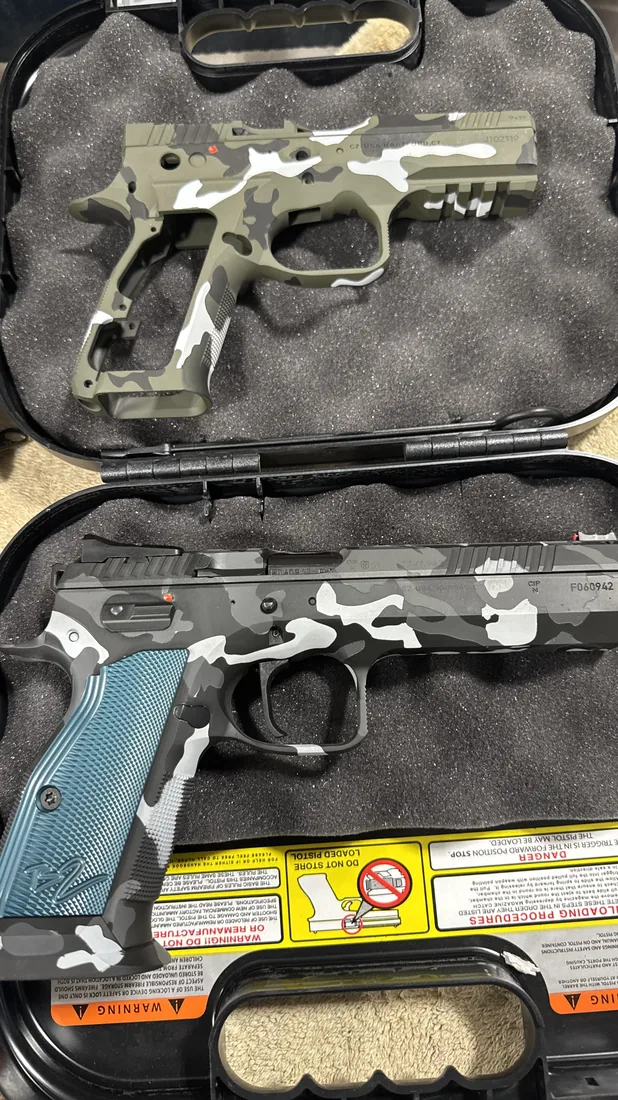
Mechanical Adhesion
The Coating Has to Grip Something
Coatings need tooth. When a part is too smooth, oily, oxidized, or covered in old coating, the new finish can only rely on weak surface contact, and that is where chips, peeling, and lifting begin. Precision abrasive blasting creates a uniform anchor profile so the coating physically locks into the metal. That mechanical bond is why our finishes hold up.
Superior Adhesion
The coating locks into the profile instead of sitting on a slick surface.
Chip & Impact Resistance
A mechanical bond shrugs off the knocks that pop a poorly-prepped finish.
Corrosion Protection
Clean, profiled metal keeps moisture from creeping under the coating.
Abrasion Resistance
Finishes stand up to wear on parts that see real handling and use.
Less Peeling & Lifting
Proper prep is the single biggest defense against delamination.
Longer Coating Life
A finish that bonds correctly stays looking right for years, not months.
The Prep Sequence
Seven Steps Before the Finish Is Ever Approved
Surface engineering is a sequence. Each step protects the one that follows it.
Inspection
Evaluate the substrate, existing coatings, corrosion, and contaminants before anything else happens.
Cleaning & Degreasing
Strip oils and residue that would otherwise break the bond between metal and coating.
Media Selection
Choose the correct blast media for the material, the part, and the finish going on top.
Precision Abrasive Blasting
Create a uniform anchor profile, the tooth that lets the coating mechanically lock to the part.
Surface Verification
Confirm cleanliness and profile, and mask threads, bores, and tolerances that must stay bare.
Controlled Application
Apply Cerakote, powder, or the specified finish to the correct film thickness in a controlled booth.
Cure & Final Inspection
Cure to the finish’s schedule, then inspect against spec before the part ships back to you.
By Finish
The Prep Changes With the Finish
Same discipline, matched to what the coating and the part actually need.
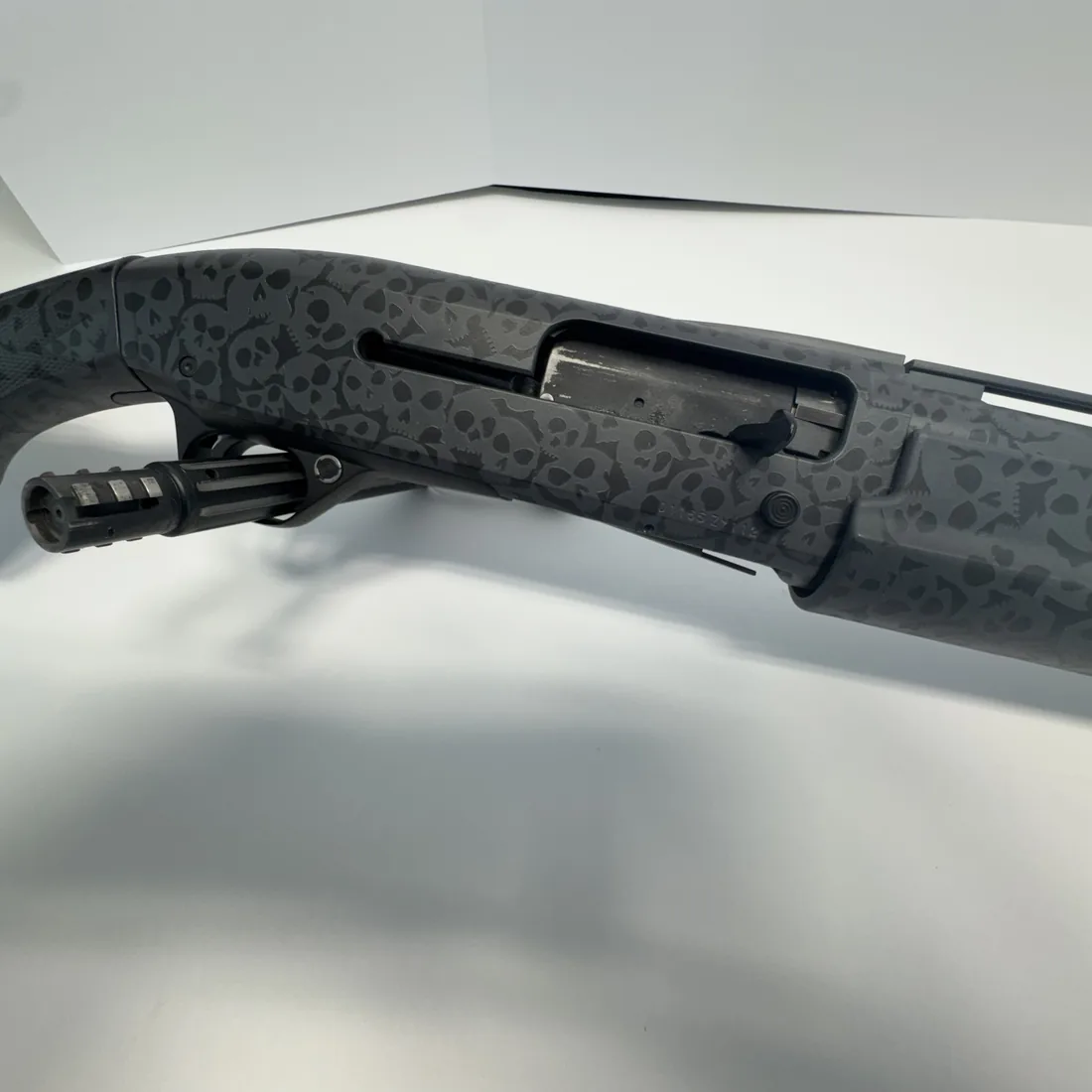
Cerakote
Degrease and media-blast for a thin-film ceramic bond that protects without changing tight tolerances.
Explore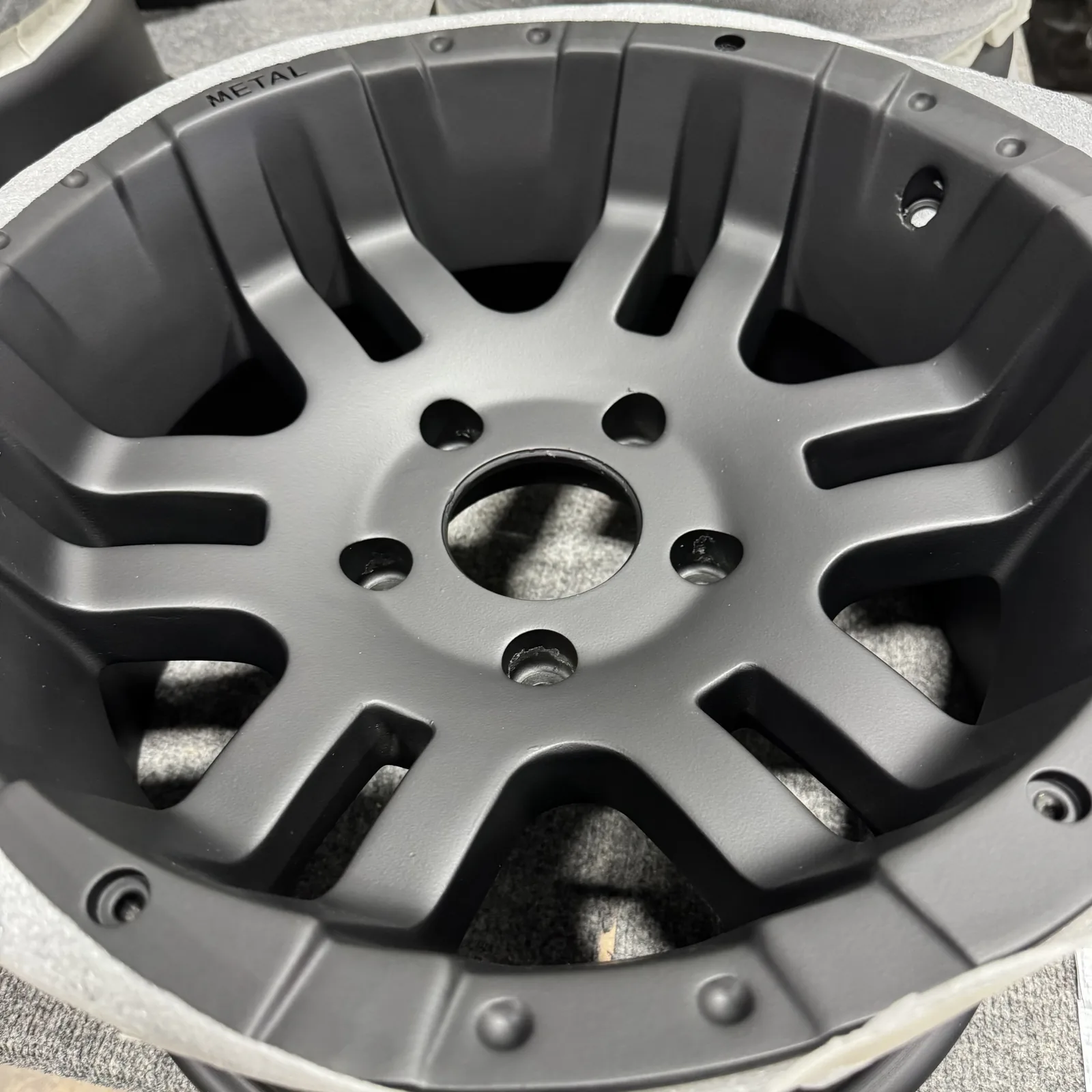
Powder Coating
Strip, decontaminate, and profile so the cured shell resists chips, corrosion, and peeling.
Explore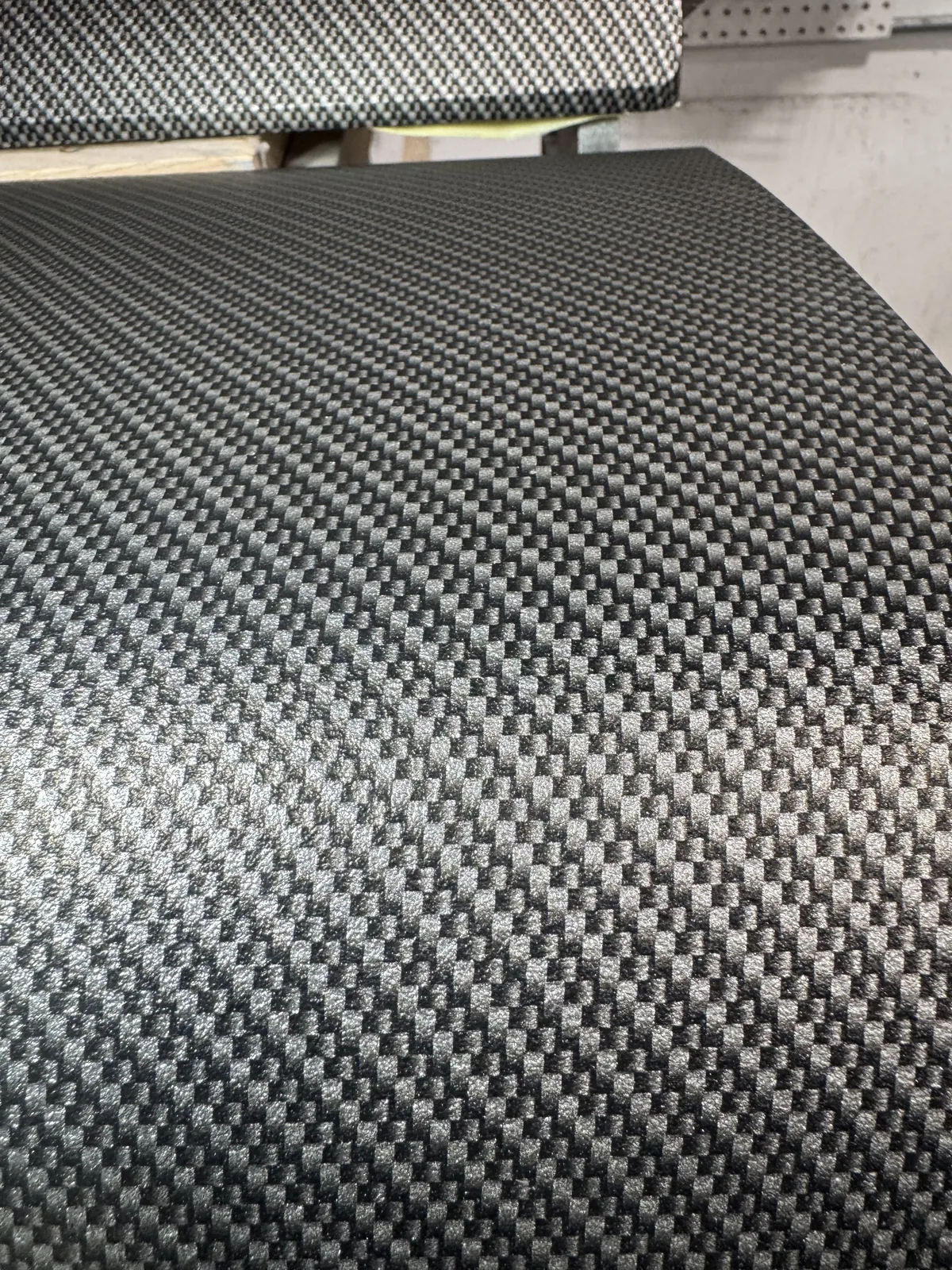
Hydrographics
Clean, base-coat, and prep so the printed film and protective clear lock down evenly.
Explore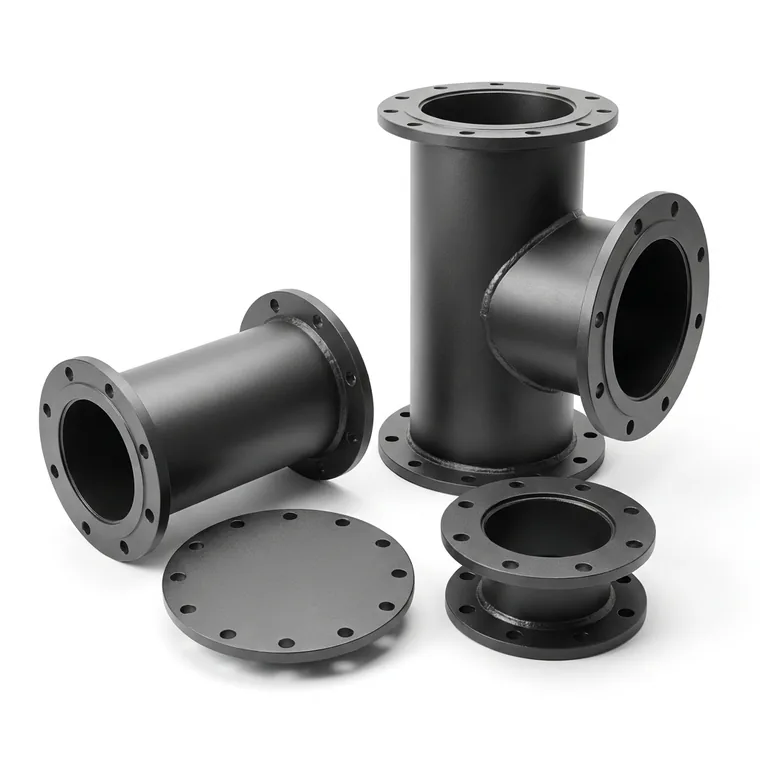
Aviation
Blast, mask, and protect tolerances for corrosion resistance at low film weight.
Explore
Mil-Spec
Profile the surface and match chemistry for abrasion, solvent, and chemical resistance.
Explore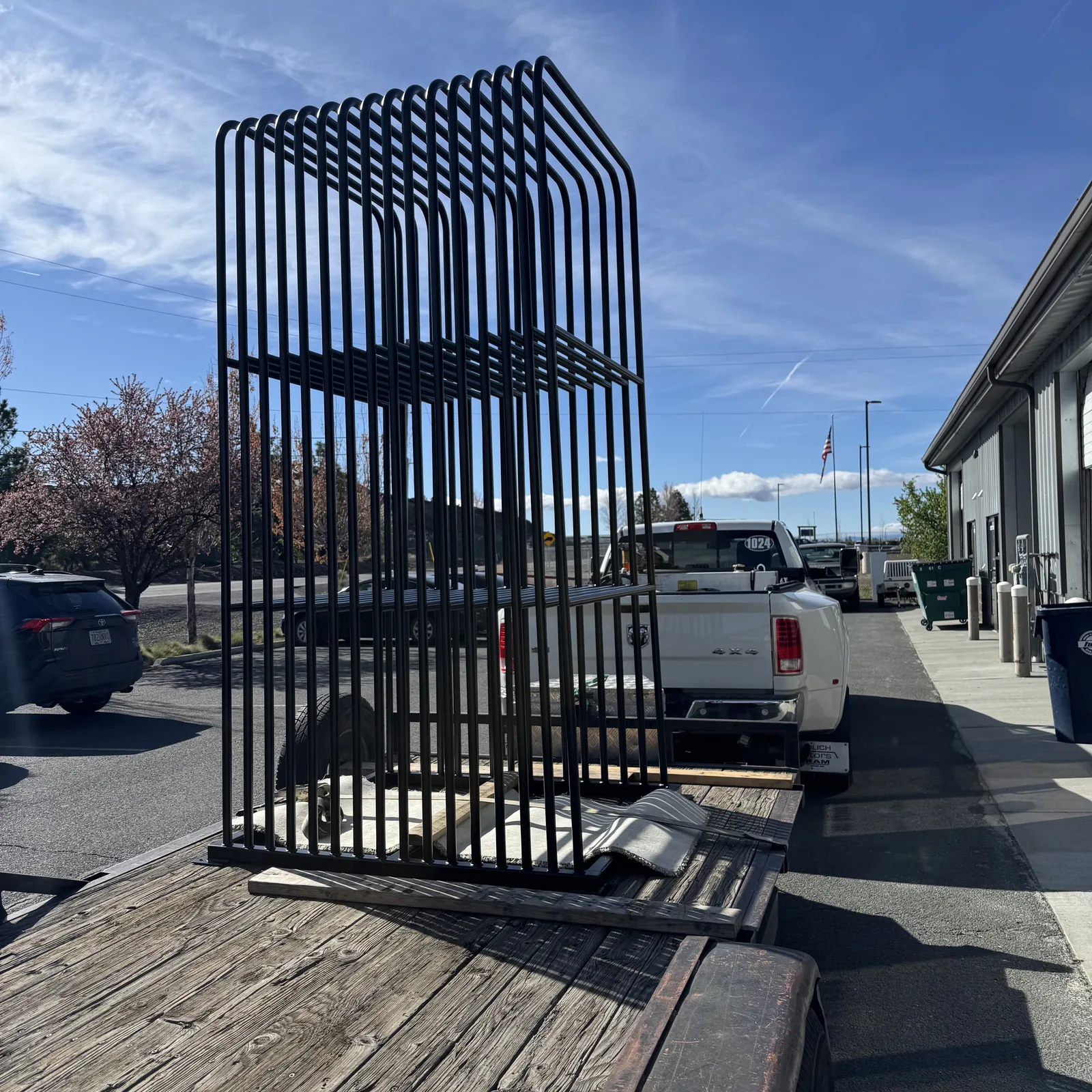
OEM & Volume
Lock the prep parameters so the fiftieth part matches the first, run after run.
ExploreThe Cost of Skipping Prep
Prep Is Where a Finish Is Won or Lost
Skip the prep
- Peeling and lifting within months
- Chips at the first hard impact
- Rust creeping in under the finish
- Rejected parts and costly rework
- A coating that never reaches its rated performance
Engineer the surface
- A finish that bonds and stays put
- Impact and abrasion resistance built in
- Corrosion protection that actually lasts
- Parts that pass inspection the first time
- Coatings that perform to their published spec
Surface Prep Questions
Prep, Adhesion & Performance
What is surface engineering?
What is mechanical adhesion?
Do I need to strip or prep my parts before sending them?
Can proper prep really prevent coating failure?
Send Us Your Parts. We Handle the Prep.
From a single custom piece to a full production run, get a free quote and we will walk you through the prep, coating, cure, and inspection your parts need.